
SOLUTIONS
Examples of Applied Analysis in Criminal Cases
Courts often ask whether a trial error mattered. Fair Trial Analysis helps answer that question with empirical research. We use jury-pool surveys, randomized experiments, and statistical analysis to estimate whether trial errors or omissions likely affected verdict outcomes. This work is designed for appellate lawyers, post-conviction lawyers, legal researchers, and public-interest organizations evaluating whether a legal error created a reasonable probability of a different result.

Effect of Prejudicial Evidence in Oklahoma v. Andrew
We analyzed the effect of prejudicial evidence on the probability of a guilty verdict and death sentence. Read our Amicus Curiae Brief.

Effect of Brady Violation in Georgia v. Carter
Fair Trial Analysis analyzed the effect of omitting evidence of a key prosecution witness’s plea deal on the probability of a death sentence. Read our Amicus Curiae Brief.

Effect of Ineffective Counsel in Florida v. Porter
George Porter’s jury sentenced him to death without hearing about his service-related injuries and abusive childhood. See the empirical analysis.
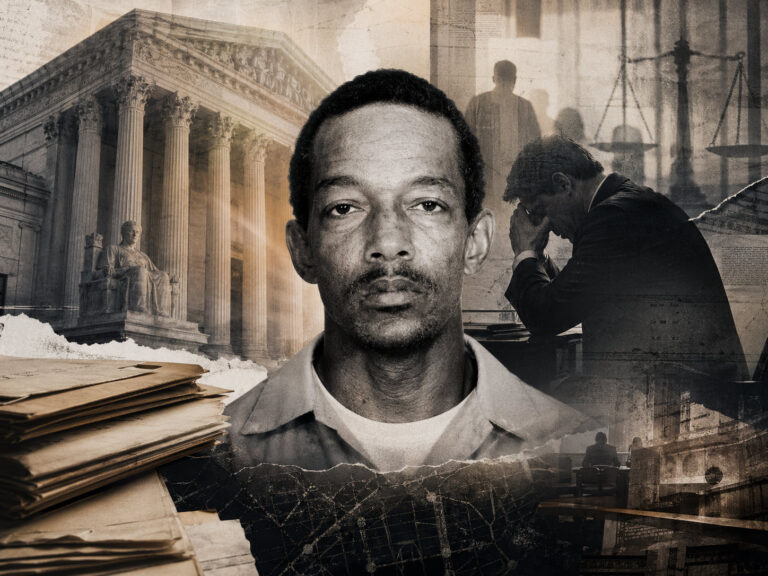
Effect of Ineffective Counsel in Florida v. Washington
David Washington’s jury sentenced him to death without hearing about his good character. See the empirical analysis.
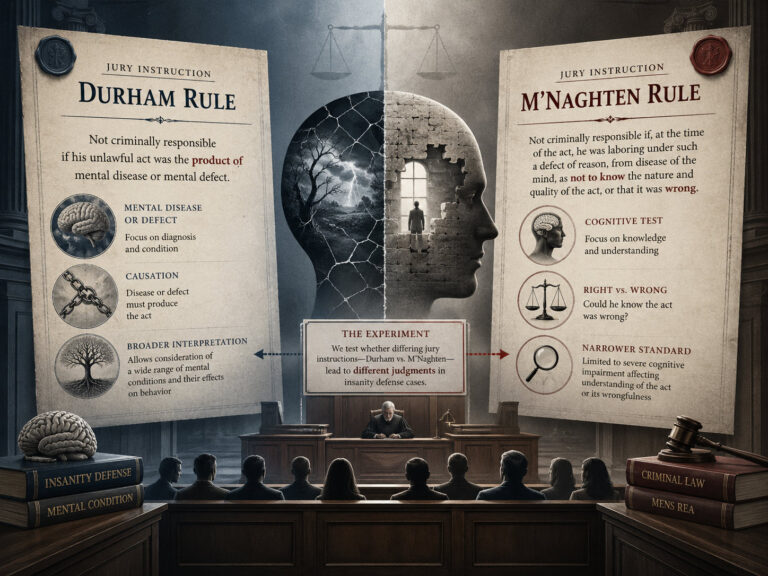
Effect of Jury Instructions in United States v. King
Evaluating the effect of varying definitions of insanity in jury instructions. See the empirical analysis.

Effect of Coerced Confession in Arizona v. Fulminante
A study of whether a coerced confession changed jurors’ willingness to convict in a close criminal case. See the empirical analysis.

Effect of Coerced Confession in Texas v. Hopkins
Analysis of how coerced confession evidence may influence jurors when other evidence links the defendant to the crime. See the empirical analysis.
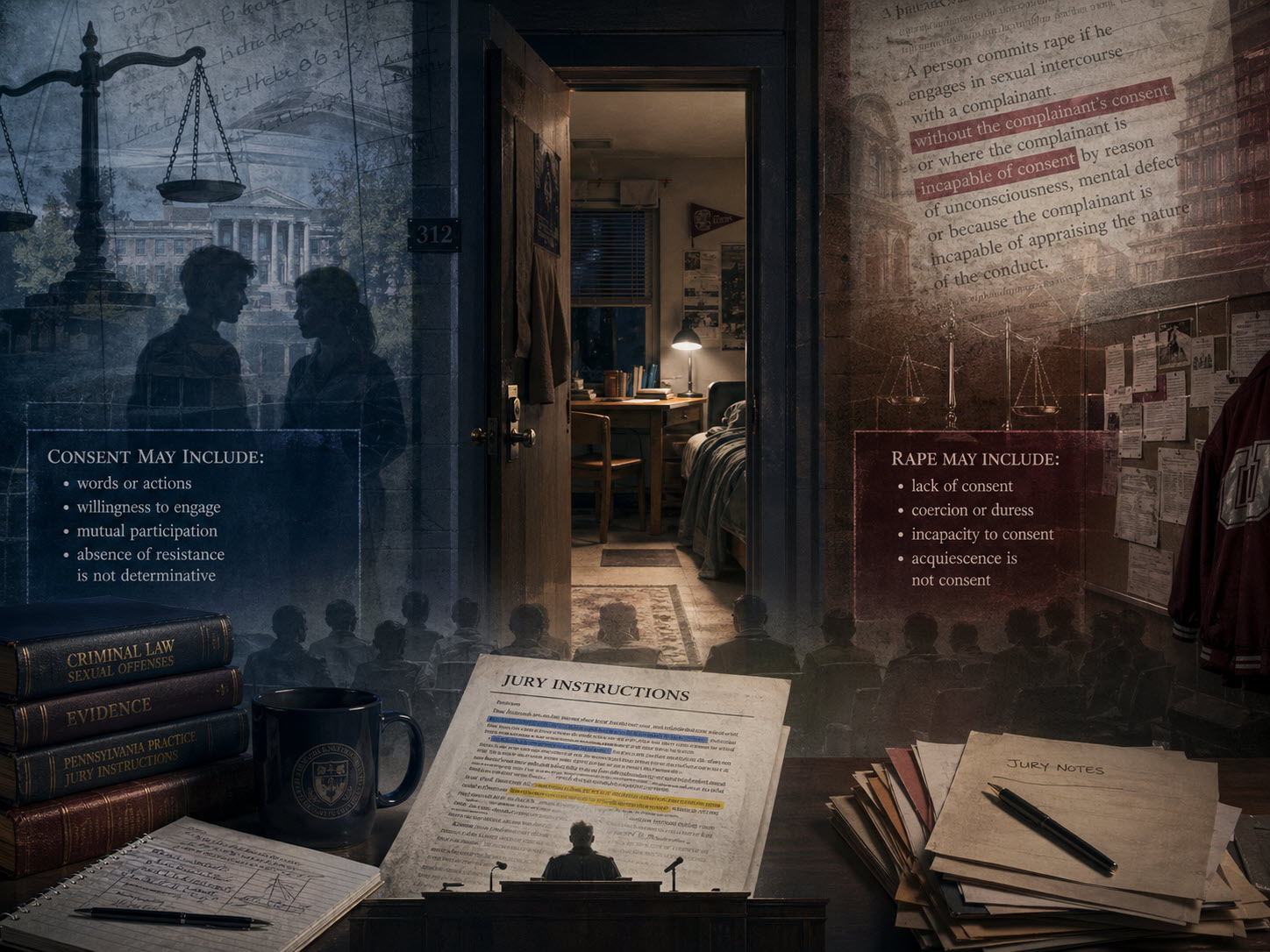
Effect of Jury Instructions in Penn. v. Berkowitz
A study of how different legal definitions of rape and consent may affect jurors’ judgments in a disputed sexual-assault case. See the empirical analysis.

Comments on Causal Analysis in Oklahoma v. Glossip
An essay showing how counterfactual reasoning about trial errors shapes courts’ assessment of causal effects. See Essay.
Addressing Fairness Issues
Many appeals and post-conviction claims turn on whether a trial error was harmless, prejudicial, or material. These questions depend on empirical assumptions about how jurors would have responded under different trial conditions.
In many cases, courts must make these judgments without direct evidence from jurors and without a reliable method for estimating the effect of the error. Judges and attorneys may compare the error to the rest of the trial record, but that approach often depends on intuition, experience, or speculation about what jurors would have done.
The goal is not to replace legal judgment. The goal is to provide better evidence for legal judgment.
Fair Trial Analysis translates a trial-error claim into a measurable research question, compares relevant trial conditions, and estimates whether the difference likely affected verdict preferences or outcome probabilities.
OUR VALUES IN ACTION
Designed for Rigor, Efficiency, and Practical Use
Our values are reflected in our work. It is rigorous enough to withstand serious scrutiny, efficient enough to be used in real cases, and transparent enough for lawyers, courts, researchers, and funders to evaluate with confidence.
Lean by Design
We use a deliberately efficient model so that rigorous empirical work can be conducted without the overhead typically associated with applied survey research.
Transparent and Defensible
Our work is grounded in published research, explicit assumptions, and reproducible methods. The underlying logic and data can be reviewed, replicated, and verified.
Built for Real Cases
The methods are designed for applied use in litigation, not just academic discussion. The goal is to produce analysis that is clear, disciplined, and practically useful.