If You Want Justice, Measure It.
The mission of Fair Trial Analysis is to make the criminal justice system more fair, reliable, and evidence-based. We use empirical research to measure the fairness of criminal trials and evaluate whether trial errors, omitted evidence, or procedural choices likely affected verdicts or sentences. This work supports the right to a fair trial and strengthens the rule of law.
Measure Effects
We measure the effect of evidentiary errors, ineffective counsel, verdict rules and other trial issues on jury verdicts and death sentences using scientific methods.
Share Research
We publish research articles, case studies, and the sate package for scientific analysis of trial errors. We advance civic education on jury service with the support of the Foundation of the Federal Bar Association.
Improve Justice
We help make prejudice and harmless-error analysis more empirical, transparent, and evidence-based. Our work reflects our mission, core values, and commitment to public interest work.
-
Future Dangerousness, Mitigation, and Post-Conviction Evidence in Capital Cases
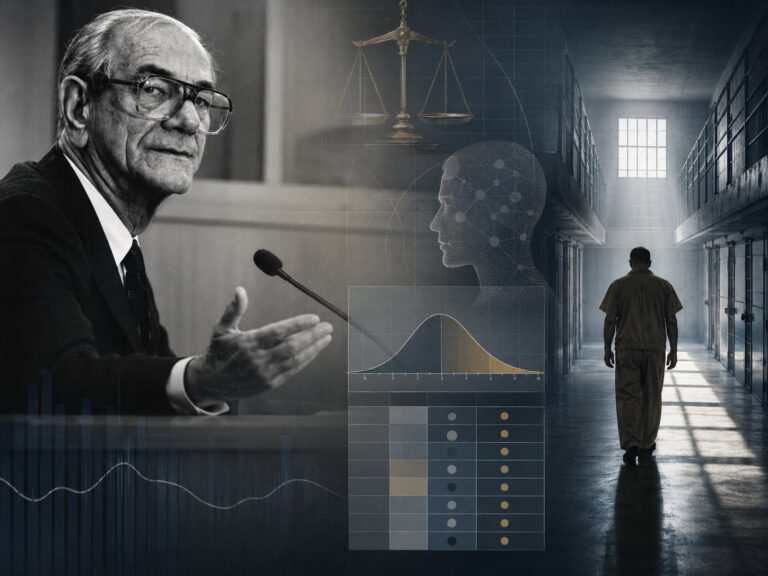
Few figures illustrate the future-dangerousness problem more clearly than Dr. James Grigson, the Texas psychiatrist known as “Doctor Death.” Grigson was notorious not simply because he testified for the prosecution, but because of…
-
Imagining the Fair Trial: Evaluating Prosecutorial Misconduct in Glossip v. Oklahoma
Courts cannot evaluate trial errors without imagining what should have happened instead. That is easy to overlook, but it is central to claims involving prosecutorial misconduct, suppressed evidence, ineffective assistance of counsel, and…