Justice for All
Fair Trial Analysis aims to promote justice by effectively measuring the fairness of criminal trials.
-
Future Dangerousness, Mitigation, and Post-Conviction Evidence in Capital Cases
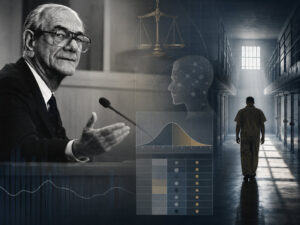
Few figures illustrate the future-dangerousness problem more clearly than Dr. James Grigson, the Texas psychiatrist known as “Doctor Death.” Grigson was notorious not simply because he testified for the prosecution, but because of what he told juries. He repeatedly claimed that defendants were incurable sociopaths and that there was a “one hundred percent and absolute”…
-
Imagining the Fair Trial: Evaluating Prosecutorial Misconduct in Glossip v. Oklahoma
Courts cannot evaluate trial errors without imagining what should have happened instead. That is easy to overlook, but it is central to claims involving prosecutorial misconduct, suppressed evidence, ineffective assistance of counsel, and other trial defects. The Richard Glossip case shows why this matters. At Glossip’s second murder trial, the prosecution’s case depended heavily on…
-
When a Coerced Confession Is Harmless: Measuring the Error in Texas v. Hopkins
Coerced confessions are dangerous evidence. They can appear powerful to jurors even when they are unreliable, and they can distort the jury’s understanding of the entire case. For that reason, courts must take coerced confession evidence seriously. But not every improperly admitted confession changes the outcome of a trial. The case of Texas v. Bobby…
-
Why Context Matters in Harmless Error Analysis: Measuring the Effect of the Coerced Confession in Arizona v. Fulminante
Some trial errors are obviously harmful. Others are obviously harmless. The hardest cases fall in between. Arizona v. Fulminante is one of those cases. The U.S. Supreme Court held that the admission of Fulminante’s coerced confession was subject to harmless error analysis, but that the error was not harmless in his case. The decision became…